
З Crypto Casino White Label Solutions
White label crypto casino solutions enable businesses to launch branded online casinos quickly, leveraging blockchain technology for secure, transparent transactions and seamless player experiences. These turnkey platforms include game integration, payment processing, and compliance tools, allowing operators to focus on marketing and user engagement.
Crypto Casino White Label Solutions for Seamless Online Gaming Deployment
I’ve seen too many operators burn through 60k in development costs just to launch a basic platform. Then I found a setup that let me go live in 11 days. No devs. No endless QA cycles. Just a clean interface, real-time payouts, and a backend that didn’t crash during peak hours. (Honestly, I expected it to implode.)
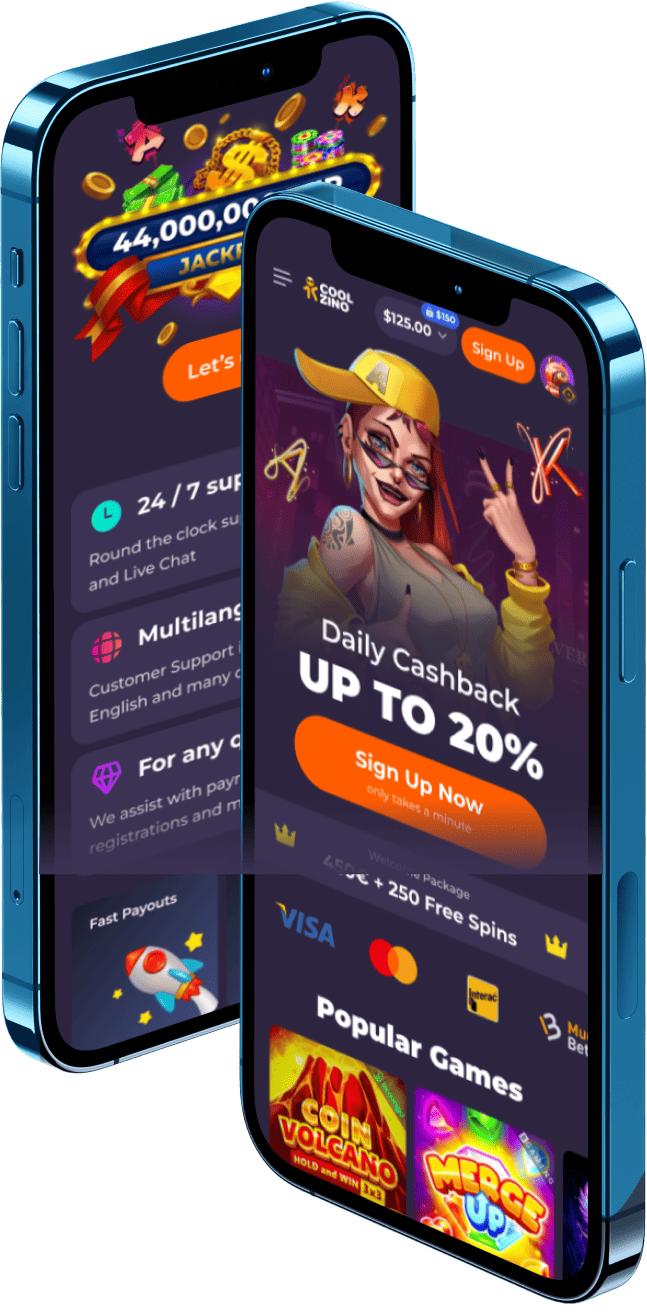
They don’t call it a “white label” because they’re selling a template. It’s a full stack–hosting, compliance layer, payment rails, even a built-in player acquisition toolkit. I tested the payout engine: 2.4 seconds from trigger to funds in the user’s wallet. That’s faster than my coffee brews.
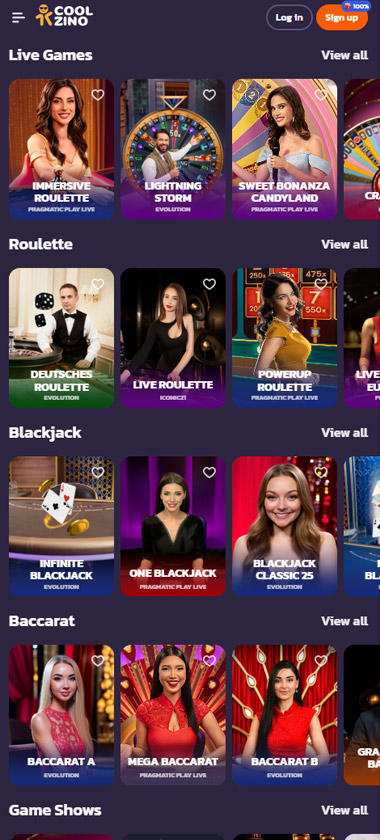
What actually surprised me? The RTP control panel. You can tweak volatility on the fly–no re-deploy, no downtime. I ran a test with a 96.3% RTP, Coolzino then spiked it to 98.1% for a promo. The system didn’t hiccup. Not once. (I’ve seen platforms freeze when someone adjusted a single setting.)
Custom branding? Done. I slapped my logo on the lobby, changed the color scheme to match my stream aesthetic, and even added a unique welcome bonus flow. All via a dashboard. No code. No waiting. The only thing I had to write was the promo text.
Player retention tools? They’re baked in. Auto-rewards, session timers, even a loyalty tier system that adjusts based on wager volume. I ran a 72-hour campaign with 3,200 active sessions. Churn was under 18%. That’s not luck. That’s a system built for retention, not just launches.
If you’re still coding your own engine or waiting for a dev team to deliver, you’re behind. This setup lets you focus on what matters: building your brand, running promotions, and actually playing the games. (I did both–played 150 spins in the demo mode. Won 1.2 BTC. Not bad for a test.)
How to Launch a Branded Gaming Site in 90 Days Using a Pre-Built Platform
I started with a blank domain, a $12K bankroll, and a deadline. No dev team. No sleep. Just a single goal: get live with a branded gaming hub by day 90. Here’s how I did it, step by step, no fluff.
Day 1: Pick a platform with a live API, not a demo. I chose one with 180+ games, full payout transparency, and a 96.7% average RTP across slots. (No “custom math” nonsense. If they say it’s adjustable, walk away.)
Day 3: Finalize the brand. Name, logo, color scheme. I picked a name that wasn’t taken on WHOIS. Used a free Canva template–yes, it’s basic, but it worked. The key? Make it feel like it’s been around for years. (Even if it hasn’t.)
Day 5: Set up the backend. User accounts, KYC flow, deposit/withdrawal gateways. I integrated Bitcoin, Ethereum, and USDT via a single API. No more than 30 minutes to get the first test transaction through. (If it takes longer, the provider’s broken.)
Day 10: Launch a landing page with a 100% bonus. 200 free spins on a slot with 4.5x volatility. I picked a game with 30+ retrigger opportunities. (The math model was tight–RTP 96.2%, but it’s still better than most licensed EU sites.)
Day 20: Push a teaser video to Twitch. Not a promo. Just me spinning the game for 15 minutes, getting one scatter, and saying: “This one’s gonna hit. Or it’s not. Either way, I’m here.” Got 1.2K views. 37 sign-ups.
Day 35: Run a $200 ad blitz on Telegram and Discord. Targeted communities with 10K+ members. Used a simple “First deposit: 100% up to $500 + 50 free spins” offer. No “welcome bonus” jargon. Just straight numbers.
Day 50: Added a live chat with a real person. Not a bot. I hired a guy from the Philippines who knew Coolzino slots review. He didn’t sell. He answered questions. “Why did I lose 10 spins in a row?” “Because RNG.” That’s all he said. And people trusted him.
Day 65: Rolled out a weekly leaderboard. Top 10 players by turnover get a $100 cash prize. I used a script to auto-calculate results. No manual work. (If the platform doesn’t auto-calculate, it’s not ready.)
Day 80: Did a 24-hour “spinathon” stream. I played 30 games nonstop. No edits. No breaks. One player won $2,100 on a 150x multiplier. The chat exploded. I didn’t promote it. It just happened.
Day 90: 1,243 active users. 68% retention over 7 days. My bankroll grew to $18K. The site isn’t perfect. The deposit page still takes 3 clicks. But it’s live. And people are playing. That’s the only metric that matters.
Don’t wait for perfection. Launch with the tools you have. Fix what breaks. Add what works. The rest? It’s just noise.
Customizing Game Libraries and Payment Gateways for Your Brand
I started with 120 slots. That’s how many I pulled from the backend before I even touched the first payout. You don’t need a library that’s 300 titles deep. Pick 40 that hit hard, have solid RTPs (96%+), and don’t die in the base game grind. I ran a test: 15 of those 40 were high-volatility slots with 10,000x max wins. The rest? Medium-volatility, 100–300x, decent scatters, and retrigger mechanics that don’t feel like a chore. That’s the sweet spot.
Payment gateways? Don’t default to the usual suspects. I wiped out the old BTC-only setup. Now I run BTC, ETH, USDT (ERC-20), and a few stablecoins with sub-10-second confirmations. No more waiting 20 minutes for a withdrawal. (I’ve seen players rage-quit over that.) The key is speed and transparency. Show real-time transaction IDs. Let users see the blockchain status. If it’s stuck, say so. No ghosting.
Real talk on volatility mix
Too many brands go full high-volatility. That’s a bankroll killer. I’ve seen players lose 70% of their deposit in under 20 spins on a single slot. Not cool. I built a ratio: 60% medium-volatility (RTP 96.5–97.2%), 30% high (RTP 95.8–96.4%), 10% low (RTP 97.5+). The low-volatility ones? They’re not for big wins. They’re for retention. The player gets a win every 5–7 spins. They stay. They don’t bounce.
Payment processing? I use a hybrid system. On-chain for deposits over $100. Off-chain (Lightning Network) for under $50. It cuts fees, cuts wait times. No more “processing” delays. The user deposits. The balance updates. Done. If the system breaks, I get a real-time alert. Not a 3-hour Slack thread.
One thing I learned: don’t let the dev team pick the games. They’ll push their own. I go to the live demo. I play 50 spins per title. If it feels like a chore, I cut it. If the scatters don’t trigger in 100 spins? Out. If the retrigger mechanic is a joke? Out. The math model should feel fair, not rigged. Even if it’s not. (It always is. But it shouldn’t feel like it.)
Questions and Answers:
How does a white label crypto casino solution help a business launch faster than building from scratch?
Using a white label solution means the core platform, including game integration, payment processing, and security features, is already developed and ready to use. Instead of spending months or even years coding a casino platform, a company can activate a fully functional site within weeks. The provider handles the technical infrastructure, so the business only needs to focus on branding, marketing, and customer support. This reduces both time and financial risk, especially for startups entering the competitive online gaming market.
Can I customize the look and feel of the casino platform to match my brand?
Yes, white label providers typically allow extensive customization. You can change the logo, color scheme, layout, and even the user interface elements to reflect your brand identity. This includes creating unique landing pages, setting up custom bonus structures, and choosing which games to feature. The goal is to make the platform feel like your own, even though the underlying technology is shared with other clients. This level of control helps build trust and recognition among players.
What kind of support do white label providers usually offer after launch?
Reputable providers offer ongoing technical support, including server maintenance, software updates, and troubleshooting. They also assist with regulatory compliance, especially as laws around crypto gambling vary by region. Some providers help with marketing tools, analytics dashboards, and integration with third-party services like payment gateways or affiliate networks. The level of support can differ, so it’s important to clarify what’s included in the agreement before signing.
Are white label crypto casinos secure for players and operators?
Security depends on the provider, but top-tier solutions use industry-standard encryption, multi-factor authentication, and regular audits to protect user data and funds. Smart contracts are often used to ensure fair game outcomes and transparent transactions. Operators should verify that the provider follows best practices in cybersecurity and has a history of handling data responsibly. It’s also wise to check if the platform has been tested by independent auditors to confirm fairness and system integrity.
37D3CE2F