
The Thrill of Risk: Understanding High-Stakes Gambling
The allure of high-stakes casino gambling stems primarily from the thrill of risk. Players are attracted to the potential for significant financial gain, but this desire is intertwined with the psychological responses triggered by gambling. The anticipation and excitement that accompany each bet can create a euphoric state, reinforcing behaviors that lead to increased wager amounts. This impulsiveness can be fueled by the adrenaline rush that comes with high-stakes games, often clouding judgment and leading to decision-making based on emotion rather than logic. In today’s context, exploring these motivations can shed light on the rising popularity of online gambling, where one might try their luck at online casino nz options, further amplifying the excitement.

Moreover, high-stakes gambling can evoke a sense of control among players, who believe that they can influence outcomes through strategy or skill. Cognitive biases, such as the illusion of control, can further amplify this belief, leading gamblers to engage in riskier behaviors. Understanding these psychological factors is crucial for both players looking to improve their strategies and for those concerned about responsible gambling practices.
Strategic Approaches: The Psychology of Betting Systems
Many high-stakes gamblers employ specific betting systems, aiming to maximize their chances of winning. These systems, such as the Martingale or Fibonacci strategies, are not only mathematical approaches but also psychological tools that help players manage their bankrolls and emotions. The confidence that comes with a structured approach can reduce anxiety, as players feel they have a plan. However, over-reliance on these systems can also lead to disastrous outcomes when players face significant losses, resulting in emotional distress and potentially reckless behavior.
Additionally, the social aspect of gambling plays a key role in strategic approaches. Many high-stakes players engage with fellow gamblers, sharing insights and strategies that can lead to a communal sense of support. This social dynamic can reinforce certain betting behaviors, as players adopt strategies that appear effective based on their peers’ successes or failures, showcasing the powerful impact of group psychology on individual decision-making.
The Role of Emotions in Decision-Making
Emotions profoundly influence decision-making in high-stakes casino environments. When players experience wins, feelings of excitement and euphoria can affect their perception of risk, leading them to take on riskier bets than they normally would. Conversely, during losing streaks, emotions such as frustration or anger can lead to chasing losses, a common pitfall among gamblers. This emotional rollercoaster often clouds rational thought, prompting players to abandon their strategies in favor of impulsive decisions.
Understanding the emotional triggers that impact gambling behavior is essential for both players and casino operators. Players can benefit from developing emotional awareness, which can help them recognize when to step back or adjust their strategies. For casinos, creating an environment that promotes responsible gambling practices can contribute to a healthier gaming experience for all patrons, reducing the risk of addiction and financial distress.
Environmental Influences: The Casino Experience
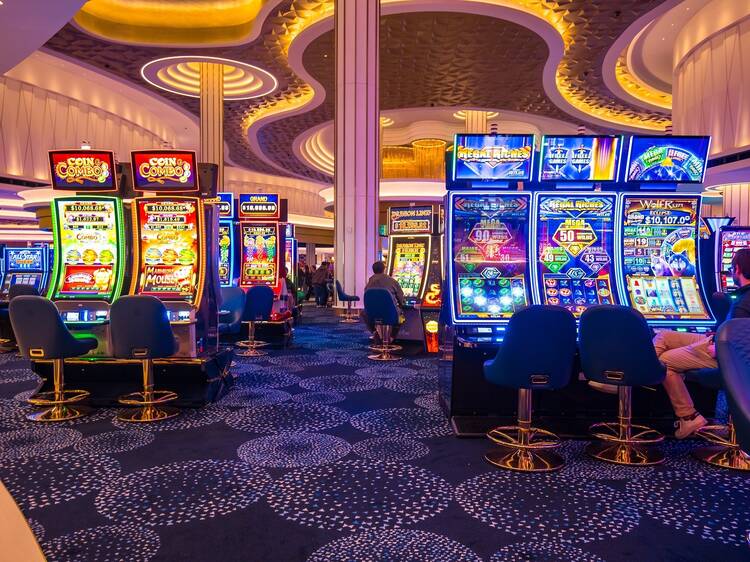
The physical and sensory environment of a casino plays a significant role in shaping gambling behavior. Factors such as lighting, sound, and layout are meticulously designed to create an immersive experience that encourages prolonged play. The bright lights and sounds of machines can trigger excitement, while the layout often encourages players to move from one game to another, further increasing the time spent gambling.
These environmental factors can affect a player’s psychological state, creating a sense of urgency and excitement that may overshadow rational decision-making. Recognizing how environment influences gambling behavior can help players make more informed choices, while casinos can leverage this knowledge to enhance the overall customer experience, balancing entertainment with responsible gambling practices.
Conclusion: Responsible Gambling in a High-Stakes World
In conclusion, understanding the psychology behind high-stakes casino gambling strategies offers valuable insights for players looking to navigate this thrilling environment responsibly. By recognizing the emotional and cognitive factors that influence their decisions, gamblers can develop healthier approaches to gaming. Additionally, awareness of the power of social dynamics and environmental cues can further enhance a player’s experience while minimizing risks associated with gambling.
As players engage with high-stakes gambling, it is essential to maintain a focus on responsible gaming practices. Casinos, like distinctionhotelsfoxglacier.co.nz, prioritize user safety and security, fostering an environment that encourages informed choices and protects players from potential harm while enjoying their gaming experience.