
The Leading B2B Supplier Directory for Verified Wholesale Partners
Find the perfect partners for your business through our comprehensive B2B supplier directory, featuring verified companies across diverse industries and regions. Each listing provides direct access to key decision-makers, detailed product catalogs, and verified reviews to streamline your sourcing. This powerful tool simplifies vendor discovery, helping you compare options and build reliable supply chains with confidence and efficiency.
Why Companies Rely on Curated Wholesale Vendor Lists
Companies depend on curated wholesale vendor lists to eliminate the costly guesswork of sourcing unreliable suppliers. These lists act as a **vetted network of high-quality partners**, drastically reducing the risk of fraud, product defects, and supply chain delays that plague unverified marketplaces. By relying on a pre-screened database, businesses save countless hours of manual research and background checks, allowing them to confidently scale operations. This strategic shortcut provides access to **exclusive, trustworthy inventory** that drives consistent profit margins and brand reputation. Ultimately, a curated list isn’t just a convenience—it is a critical tool for mitigating risk and accelerating sustainable growth in a competitive landscape.
Streamlining Sourcing vs. Scattered Google Searches
Companies lean on curated wholesale vendor lists because they cut through the noise, directly connecting them to reliable, pre-vetted suppliers. Instead of wasting hours hunting down unknown sellers, businesses get a shortlist of partners who already meet quality and compliance standards. This saves serious time, reduces risk of scams or bad deals, and helps maintain consistent inventory. A strong curated list also often includes better pricing and terms, since vendors know they’re being recommended. Ultimately, it streamlines sourcing, letting teams focus on growth instead of vetting. The key benefit here is streamlined vendor sourcing for maximum efficiency.
Reducing Risk Through Verified Third-Party Portals
Companies rely on curated wholesale vendor lists to streamline procurement and mitigate supply chain risks. B2B supplier vetting eliminates the need for exhaustive market research by presenting only pre-qualified partners. These lists typically verify key factors such as production capacity, compliance standards, and financial stability. The primary advantages include:
- Reduced due diligence time, as vendors are screened for legal and operational integrity.
- Lower counterfeit risk, especially in electronics or luxury goods markets.
- Consistent pricing through pre-negotiated wholesale agreements.
By centralizing reliable sources, companies avoid fragmented sourcing and maintain inventory stability. This method is especially critical for industries where vendor failure directly impacts production timelines or brand reputation.
How Centralized Platforms Trim Procurement Cycles
Companies lean on curated wholesale vendor lists because they cut through the noise, saving huge amounts of time otherwise spent vetting unknown suppliers. These pre-screened directories act as a trusted shortcut, ensuring every listed vendor meets basic standards for reliability, product quality, and shipping consistency. For a business owner, this means less risk of dealing with scammers or dead stock. A curated list typically offers vetted wholesale suppliers, allowing buyers to focus on negotiating terms instead of performing background checks. The result is a smoother supply chain and fewer headaches, making these lists an essential tool for scaling operations without the guesswork.
Core Features That Define High-Quality Industrial Listings
High-quality industrial listings are defined by precision, depth, and user-focused transparency. Essential features include technical specifications like load capacity, voltage requirements, and floor dimensions, alongside clear zoning and compliance data. Detailed photography and schematics are non-negotiable, as they replace costly site visits. A robust listing also integrates operational history, maintenance logs, and logistical connectivity—rail, port, or highway access.
The defining marker of premium industrial real estate is the provision of verified, data-rich details that eliminate ambiguity and accelerate due diligence.
This approach builds immediate trust, converting casual browsers into serious buyers by proving the asset’s true value and reducing transaction friction. Such listings dominate search results because they answer every critical question before it is asked.
Advanced Filtering by Industry, Location, and Certifications
High-quality industrial listings prioritize critical infrastructure and logistics details to immediately capture serious buyers. They open with clear specifications on ceiling heights, floor loads, power capacity, and dock configurations. A dynamic listing highlights zoning allowances for manufacturing, warehousing, or heavy industrial use. Essential data points include square footage breakdowns, column spacing, and truck access. Pairing concise video walkthroughs with 3D floor plans eliminates guesswork. For multi-tenant properties, emphasize shared amenities like fenced yards or rail spur access. A strong listing also contextualizes proximity to major highways, ports, or rail intermodals, framing the asset as a logistical win.
Q: How to make an industrial listing stand out?
Focus on functional specs first—clear height, power, and loading capacity. Then, use a site plan overlay and drone footage to show vehicle circulation and expansion potential.
Authenticated User Reviews and Performance Ratings
A high-quality industrial listing doesn’t just list specs; it tells the story of a facility’s operational potential. The first impression hinges on detailed industrial specifications—exact ceiling heights, floor load capacities, and power supply voltages that allow buyers to instantly visualize production flow. Compelling listings pair this data with authentic imagery: drone shots revealing truck access patterns and wide-angle photos of dock doors in use. They also anticipate logistical questions, clearly noting zoning classifications and nearby highway interchanges. Without these layers, a listing feels like a hollow shell; with them, it becomes a blueprint for business growth.
Direct Quote Requests and Integrated Contact Forms
High-quality industrial listings are defined by their ability to instantly communicate functionality and scale. Comprehensive technical specifications serve as the bedrock, detailing square footage, ceiling heights, power capacity, and floor load limits without ambiguity. A persuasive listing also prioritizes logistical assets, such as dock door counts, column spacing, and clear access to major transportation routes. Beyond raw data, superior listings incorporate high-resolution photography and site plans that visually map workflow patterns. Furthermore, explicit zoning details and environmental compliance certifications eliminate buyer friction. These elements, woven into a concise narrative, create a listing that commands attention and justifies its asset class premium, establishing authority while reducing time on market.

Vertical-Specific Marketplaces vs. General Directories
The choice between vertical-specific marketplaces and broad general directories often hinges on user intent and transactional depth. While a general directory casts a wide net over diverse categories, risking superficial results, a vertical marketplace dives deep into a single niche—say, handmade furniture or vintage automotive parts—curating products with expert precision. This focus creates a frictionless, trust-rich environment where buyers find exactly what they want and sellers compete against relevant, targeted peers. Unlike sprawling directories that merely list options, these specialized platforms streamline search, simplify checkout, and foster community, making the difference between wandering through a chaotic bazaar and stepping into a tailored boutique.
Examples in Manufacturing, Logistics, and Technology Sectors
In 2014, Lara needed a vintage wedding dress. She spent hours on a massive general directory, wading through listings for everything from lawnmowers to laptops before finally finding two secondhand gowns. A year later, she needed a custom beekeeper veil and turned to a vertical-specific marketplace dedicated solely to apiculture. Within minutes, she had six artisan-crafted options, complete with UV-resistance ratings. The difference was stark: the general directory felt like searching for a needle in a chaotic haystack, while the niche platform felt like a curated treasure chest. This is the core of the divide. General directories prioritize breadth over depth, often sacrificing user intent for inventory volume. Their strength lies in discovery of anything, anywhere, but they lack the specialized filters—like “vegan leather” or “organic cotton” for garments—that a niche marketplace provides. For the buyer with a burning, specific need, a vertical marketplace offers a straight path to the target. For the casual browser exploring random categories, the general directory remains a dizzying, vast landscape.
When Niche Platforms Outperform Broad Supplier Aggregators
When choosing between a vertical-specific marketplace (like Etsy for handmade goods) and a general directory (like Craigslist), the key difference is focus. A vertical marketplace offers a curated, niche experience where every listing matches a specific interest, making it easier to find what you need without sifting through unrelated junk. In contrast, a general directory casts a wide net, covering everything from cars to kittens. Niche marketplaces often deliver higher conversion rates because buyers arrive with a clear intent, while general directories rely more on volume than relevance.
Quick Q&A:
Q: Which is better for a small seller?
A: If you sell a specific product (like vintage purses), a vertical marketplace helps you reach the right crowd. For random items, a general directory works fine.

Balancing Breadth of Inventory with Specialist Depth
Vertical-specific marketplaces dominate by offering curated, high-intent transactions. Unlike sprawling general directories that list every business imaginable, verticals like Zillow or Udemy zero in on one niche—real estate or online education—solving specific pain points with tailored tools, verified listings, and integrated payments. General directories, while broad, often frustrate users with outdated information and a lack of transaction functionality. A vertical platform commands higher conversion rates and seller loyalty because it owns the entire customer journey for that sector. For B2B procurement or specialized services, a focused marketplace outperforms a generic listing site every time.
- Search Efficiency: Vertical platforms filter by industry-specific attributes (e.g., license type, material specs); directories rely on basic https://stafir.com/ keywords.
- Trust: Marketplaces vet sellers and reviews; directories often accept unverified submissions.
- Revenue Model: Verticals charge commission on closed deals; directories earn from subscription or ad clicks.

Q&A:
Q: Why wouldn’t a general directory work for niche products?
A: Buyers in specialized markets need authoritative curation—a directory can’t match the depth of a vertical platform’s data, tools, or loyal user base.
Optimizing Your Company Profile for Maximum Visibility
Optimizing your company profile for maximum visibility requires a strategic focus on key digital elements. Ensure your profile includes relevant industry-specific keywords naturally within the business description and service offerings, as this improves search engine ranking. Verify all contact information, operating hours, and location data across platforms to maintain consistency. High-quality visuals and a clear call-to-action like “Contact Us” or “Get a Quote” enhance user engagement. Regular updates and responses to reviews signal activity to algorithms. By emphasizing **search engine optimization** fundamentals and **local SEO** tactics, businesses can significantly increase their discoverability in search results and directory listings.
Keyword-Rich Descriptions That Match Buyer Intent
Optimizing your company profile for maximum visibility begins with a strategic focus on on-page SEO fundamentals. Ensure your profile includes a clear, keyword-rich headline and a concise description that answers what you do and who you serve. Integrate relevant industry terms naturally, avoiding keyword stuffing. A complete profile with a verified business address, phone number, and website builds trust with both users and search algorithms.
Visibility depends on consistency: your NAP (Name, Address, Phone) must match across all online directories.
Use high-quality images and videos to improve engagement metrics, as time-on-page signals relevance. Encourage customer reviews and respond promptly; active profiles rank higher. Regularly update your profile with fresh content—such as posts or offers—to signal current activity. Avoid vague statements; specificity in services and location drives qualified traffic.
High-Resolution Media and Technical Specification Uploads

To maximize visibility, your company profile must serve as a strategic SEO asset. Conduct thorough keyword research to identify high-value terms your ideal clients are searching for, then weave them naturally into your headline, “About” section, and product descriptions. Structure your profile for both humans and search engines by using clear subheadings, bulleted lists for core services, and compelling meta descriptions. Ensure your NAP (name, address, phone) is consistent across all platforms to boost local search rankings. Regularly update your profile with fresh, relevant content to signal authority to search algorithms.
Updating Catalogues and Pricing to Stay Competitive
To achieve maximum visibility, your company profile must function as a dynamic SEO asset. Optimizing Your Company Profile for Maximum Visibility requires integrating high-value, long-tail keywords directly into your headline, summary, and service descriptions. Prioritize clarity: state your unique value proposition within the first two sentences. Structure content for both humans and search engines by using concise subheadings and bullet points. For example:
Key optimization steps:
- Embed primary keywords in the title tag and meta description.
- List core services using industry-specific terminology.
- Include client logos and case study snippets for proof.
- Add a direct call-to-action (e.g., “Request a consultation”).
Remove fluff; every line should answer what you do, who you serve, and why it matters. A lean, keyword-rich profile signals authority to algorithms and decision-makers alike.
Evaluating Platform Authority and Lead Quality
Evaluating platform authority involves assessing a source’s trustworthiness through metrics like domain reputation, content relevance, and backlink quality. Lead quality hinges on how closely a prospect matches defined buyer personas and engagement signals. High-authority platforms often yield higher conversion rates, but cross-referencing data such as bounce rates and form-fill patterns refines lead scoring. Combining domain analysis (e.g., Moz DA, Ahrefs UR) with behavioral triggers (e.g., page depth, time-on-site) ensures a balanced evaluation. SEO-related strategies like keyword topicality and site security (HTTPS) further separate genuine leads from noise. Over-reliance on platform authority alone may overlook niche, high-intent audiences; thus, a multi-factor approach—including verified contact data and intent scores—delivers actionable insights.
Q&A
Q: Does low platform authority always mean poor lead quality?
A: Not necessarily. Small, niche sites with expert content can produce high-intent leads despite lower authority metrics.
Checking Domain Metrics, Backlinks, and Organic Traffic
Evaluating platform authority involves assessing a website’s domain trust, backlink profile, and content relevance to determine its credibility for ranking. Lead quality hinges on aligning platform metrics with conversion intent. Key factors include:
- Domain Rating (DR): Higher scores often correlate with stronger search visibility.
- Traffic sources: Organic vs. paid traffic indicates user engagement levels.
- Spam score: Low spam scores reduce risk of penalized traffic.
Audience targeting, such as demographic fit and past purchase behavior, directly influences whether a lead converts. Combining these elements ensures efficient resource allocation and higher ROI.
Understanding Fee Structures: Free Listings vs. Premium Subscriptions
Evaluating platform authority requires assessing domain trust metrics like backlink profiles, traffic sources, and editorial standards, while lead quality hinges on fit, intent, and engagement signals. High authority platforms often deliver superior lead quality due to built-in credibility. Key criteria include:
- Domain rating (e.g., DR above 50)
- Topical relevance to the offer
- Lead verification methods (e.g., double opt-in)
- Conversion rate history
Q: Can a low-authority platform generate high-quality leads? A: Yes, if it has a niche, engaged audience—but such leads often require more validation.
Analyzing Sample Lead Conversion Rates from Listed Vendors
Evaluating platform authority is non-negotiable for ensuring lead quality. A platform with high domain trust, verified user bases, and stringent content moderation naturally filters out low-intent traffic, delivering prospects who are genuinely ready to engage. Prioritize platforms with strong domain authority for superior lead conversion. Conversely, platforms lacking editorial oversight or exhibiting high bounce rates often produce surface-level clicks, not qualified inquiries. To assess this rigorously:
- Analyze the platform’s backlink profile and industry-specific reputation.
- Review case studies or testimonials confirming lead-to-customer conversion rates.
- Cross-reference lead source data against your sales pipeline outcomes.
By applying these filters, you separate genuine engagement from vanity metrics, ensuring your resources target decision-makers, not casual browsers. The result is a predictable flow of high-intent leads that justify your acquisition cost.
Common Pitfalls When Navigating Trade Directories
Navigating trade directories effectively requires more than just listing your business. A common pitfall is failing to optimize your directory profile for search visibility, leading to poor placement in results. Experts often see companies selecting overly broad categories, which dilutes their relevance and attracts the wrong audience. Another frequent error is neglecting to update contact details and certifications, causing lost opportunities when potential partners encounter outdated information. Many users also rush through the submission process, ignoring keyword-rich descriptions that could boost discoverability on platforms. To avoid these mistakes, always research the directory’s specific taxonomy and align your profile with exact terms your ideal buyers would search for.
Q&A Example
Q: How often should I update my directory listing?
A: At least quarterly, or immediately after any change in services, location, or contact information. This prevents broken leads and maintains your credibility with search algorithms.
Outdated Contact Details and Ghost Listings
Common pitfalls when navigating trade directories include failing to verify listing accuracy, as outdated or incorrect contact details waste time. Many users overlook filtering by verified suppliers, leading to unreliable leads. B2B sourcing mistakes often stem from ignoring directory reputation checks. Avoid these errors: trust unmoderated platforms without cross-referencing reviews, skip reading refund policies, or rely solely on free tiers with limited data. Always prioritize directories with robust due diligence processes. Additionally, not tailoring search parameters to specific industries yields irrelevant results. To mitigate risks, compare multiple directories and prioritize those with confirmed business intelligence.
Overpaying for Features That Don’t Match Your Search Volume
Navigating trade directories effectively requires caution, as several common pitfalls can undermine your efforts. Inaccurate company data is a frequent issue, with outdated contact details or inactive listings wasting valuable time. Users may also overlook the importance of filtering by industry-specific criteria, leading to irrelevant results and missed opportunities. Furthermore, failing to verify directory credibility can expose users to spam or fraudulent sellers, especially on unmoderated platforms. Manually checking listings against official company websites and adhering to strict search parameters helps mitigate these risks. Avoiding these missteps ensures directories serve as reliable tools for business development.
Ignoring Localization Filters for Cross-Border Sourcing
Navigating trade directories often feels like a wild goose chase if you fall into the trap of **using generic search terms**. Relying on broad keywords floods your results with irrelevant suppliers, wasting hours sifting through noise instead of finding qualified partners. Another common misstep is ignoring the directory’s filtering tools—failing to narrow by region, certification, or minimum order quantity leaves you buried under unvetted listings. Many users also overlook verifying a company’s recent activity or reviews, assuming all listed businesses are equally trustworthy. To stay on track, avoid these pitfalls:
- Don’t skip the “verified” or “premium” badges to filter scams.
- Avoid clicking the first result; cross-check multiple profiles for consistency.
- Neglecting to update your own company profile can reduce your visibility to top partners.
By staying laser-focused on specific criteria and checking credibility markers, you transform the directory from a messy spreadsheet into a precision tool for growth.
Future Trends in Digital Sourcing Networks
Future trends in digital sourcing networks increasingly emphasize AI-driven predictive analytics to enhance supplier discovery and risk management. Automation is streamlining procurement workflows, while blockchain integration is improving transparency and traceability in global supply chains. The expansion of real-time data sharing platforms enables more agile, collaborative relationships between buyers and suppliers. These networks are becoming more decentralized, incorporating Internet of Things (IoT) sensors for live inventory tracking and smart contract execution. Additionally, a growing focus on sustainability metrics is embedding environmental, social, and governance (ESG) criteria directly into sourcing algorithms. As a result, organizations are moving toward fully autonomous, self-optimizing ecosystems that reduce manual intervention and improve procurement efficiency on a global scale.

AI-Powered Matchmaking Between Buyers and Sellers
The evolution of digital sourcing networks is accelerating toward hyper-automation and predictive intelligence. Autonomous procurement ecosystems will leverage AI to self-correct supply chain disruptions in real-time, moving beyond simple cost reduction to dynamic value optimization. Expect increased integration of blockchain for immutable supplier verification and tokenized contract execution. Sourcing professionals must prepare for a shift from reactive vendor management to proactive network orchestration, where algorithms analyze global risk and sustainability metrics instantaneously. To remain competitive, teams should prioritize data interoperability and skill development in AI oversight, as human strategic judgment becomes the critical differentiator in these increasingly self-governing networks.
Blockchain for Immutable Transaction and Verification Records
Digital sourcing networks are rapidly evolving, driven by AI-powered automation and real-time data analytics that predict supply chain disruptions before they occur. These platforms will shift from passive procurement tools to proactive agents, autonomously vetting suppliers, negotiating contracts, and optimizing for sustainability metrics. A key trend is the integration of blockchain for immutable audit trails, ensuring ethical sourcing from raw material to final product. Intelligent supplier ecosystems will dominate, enabling buyers to instantly adjust to market volatility by leveraging a global, pre-vetted pool. The result is a frictionless, transparent network where trust is coded in, not assumed.
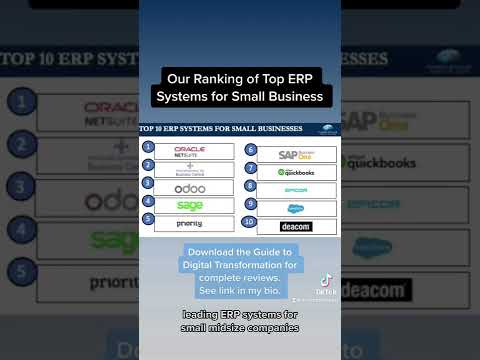
Integration with ERP and Procurement Software Suites
Digital sourcing networks are rapidly evolving toward autonomous, AI-driven ecosystems that predict disruptions before they occur. Intelligent supplier orchestration will become the standard, where algorithms dynamically match demand with pre-qualified, diversified global suppliers. Key trends include:
- Blockchain-based provenance ensuring immutable, real-time verification of ethical sourcing and carbon footprint data.
- Hyper-personalized procurement via digital twins, simulating every sourcing decision’s impact on cost, risk, and supply chain resilience.
To stay competitive, leaders must invest now in interoperable platforms that integrate seamlessly with Internet-of-Things (IoT) signals and advanced analytics, replacing reactive bidding with predictive, relationship-centered value creation.