
The Allure of Gambling: Understanding Attraction
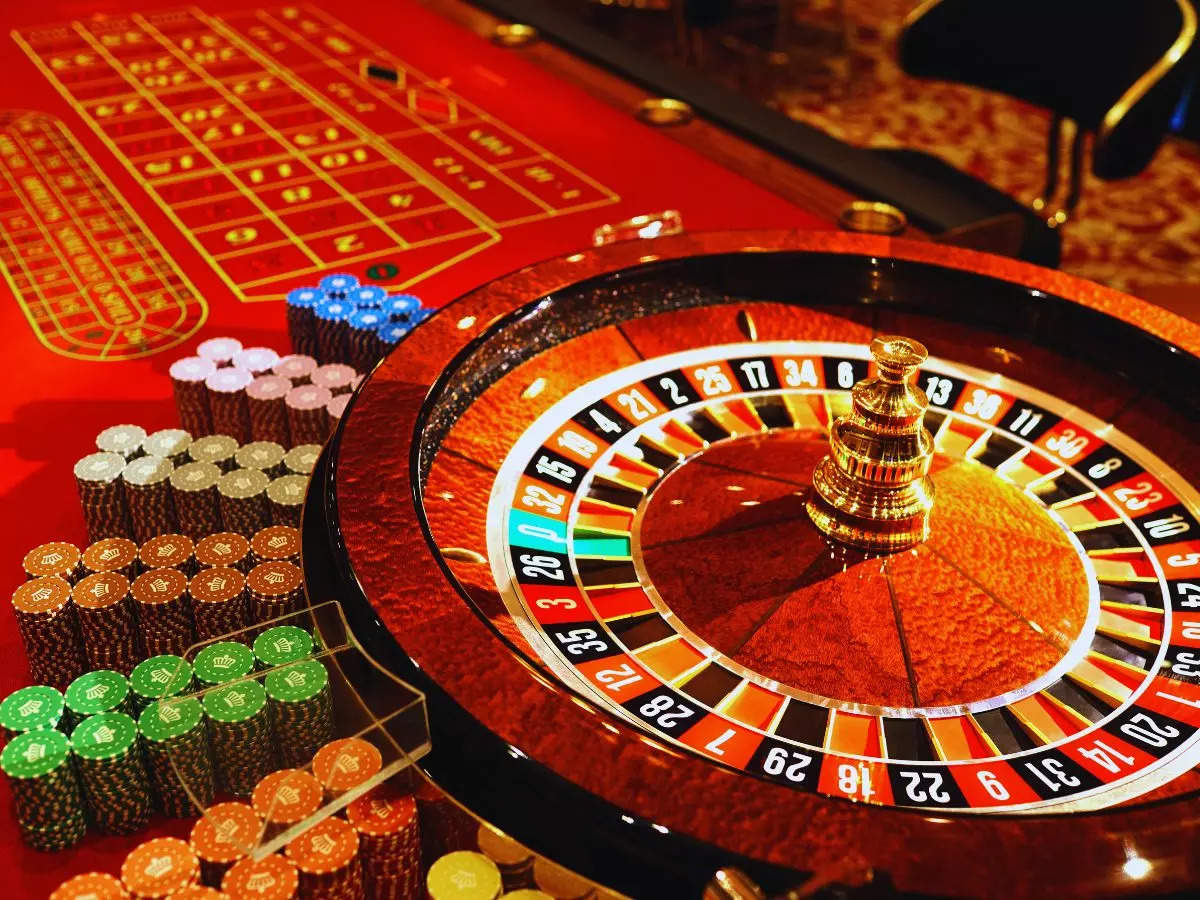
The psychology of casino games begins with their alluring nature, which attracts millions of players worldwide. Casinos create an environment designed to captivate the senses, using bright lights, vivid colors, and enticing sounds. This sensory overload evokes excitement and anticipation, making it difficult for players to resist the temptation to join in. Many enthusiasts seek platforms that offer a seamless experience, such as uk casino fast withdrawal , which ensures that the thrill of winning is complemented by efficient payouts. The carefully curated ambiance is more than just aesthetic; it’s a calculated strategy to enhance player engagement and prolong their visits.
Additionally, the prospect of winning money is a powerful motivator. Casino games often feature the potential for significant payouts, which can trigger feelings of hope and optimism. Players may envision how a win could transform their lives, leading to fantasies of wealth and success. This prospect of a fortune keeps players engaged and invested, even when the odds are stacked against them. The psychological attachment to winning and the dreams it inspires fuels the ongoing attraction to casino games, creating a cycle where players continuously seek out the thrill of potentially changing their financial status.
Moreover, a social aspect intertwines with the allure of casino gaming. Many individuals enjoy the communal experience of gambling, whether at a physical venue or through online platforms. Interacting with others, whether in victory or defeat, fosters a sense of belonging and camaraderie among players. This social reinforcement enhances the overall excitement and enjoyment of gambling, as players share their experiences and stories, deepening their connection to the game and each other. The shared highs and lows create a unique bond among players, reinforcing their commitment to the gambling experience.
The Role of Cognitive Biases in Gambling
Cognitive biases significantly influence how players perceive and engage with casino games. One of the most common biases is the illusion of control, where individuals believe they can influence the outcome of a game through skill or strategy. This belief often leads players to take unnecessary risks, thinking that their actions will improve their chances of winning. For instance, a player might feel confident about their betting strategy in a game of chance, even though the outcome is primarily determined by luck. This misperception can lead to increased betting and prolonged gaming sessions, often to the player’s detriment.
The gambler’s fallacy is another prevalent cognitive bias in gambling psychology. This phenomenon occurs when individuals believe that past outcomes affect future results in random events. For example, a player might think that a particular slot machine is “due” for a win after a series of losses, leading them to continue playing in hopes of hitting the jackpot. These biases can distort decision-making processes and encourage players to continue gambling despite unfavorable odds, reinforcing the cycle of play. This misunderstanding of probability can significantly affect a player’s financial decisions and ultimately their gambling behavior.
Additionally, confirmation bias plays a role in reinforcing players’ beliefs and behaviors. Gamblers tend to focus on wins and overlook losses, which can distort their perception of their skills and the odds. This selective attention reinforces the idea that they are more successful than they are, encouraging further participation in games. Understanding these cognitive biases helps clarify why individuals often pursue gambling despite the inherent risks and potential for loss, revealing a complex interplay between psychology and behavior. Recognizing these tendencies is crucial for both players and those looking to promote responsible gambling practices.
The Emotional Rollercoaster of Gambling
The emotional experience associated with casino games can be likened to a rollercoaster ride, filled with highs and lows that players navigate throughout their gaming sessions. The thrill of winning generates a rush of excitement and euphoria, which can be addictive. This emotional high can create a pleasurable response in the brain, releasing dopamine and reinforcing the desire to gamble again. Players often chase this euphoric feeling, leading them to return to casinos time and again in pursuit of that next big win. The anticipation of a win can create a powerful psychological pull, making it difficult for players to resist the allure of the next game.
Conversely, the lows experienced in gambling can be equally impactful. Losing streaks can evoke feelings of frustration, disappointment, and even despair. These negative emotions often compel players to chase their losses, leading them to gamble more in an attempt to recover previous losses. This behavior creates a cycle of emotional highs and lows, making it challenging for players to find balance or recognize when to step away from the game. The emotional turmoil associated with gambling can lead to problematic behaviors, making it essential for players to develop strategies for managing their emotions.
This emotional rollercoaster is further exacerbated by the social dynamics present in casino environments. Players often react to the emotions of those around them, celebrating wins together or commiserating over losses. This shared experience amplifies emotions and can influence individual behaviors, leading to increased participation in gaming. Understanding the emotional aspects of casino games provides insight into why players engage in gambling despite the inherent risks and potential for negative consequences. Recognizing these emotional triggers can help players make more informed choices about their gambling activities.
The Impact of Marketing and Rewards on Behavior
Marketing strategies employed by casinos significantly impact player behavior, often leveraging psychological principles to attract and retain customers. Promotions, bonuses, and loyalty programs are designed to create a sense of value, enticing players with the possibility of additional winnings or benefits. These marketing tactics appeal to the desire for reward and can reinforce the notion that gambling is a pathway to financial success, anchoring players’ commitment to the games. By framing gambling in a positive light, casinos effectively draw in new players while keeping existing ones engaged.

Furthermore, the use of gamification elements in casinos, such as loyalty points and tiered rewards, taps into the human need for achievement. Players are often motivated to accumulate points or reach higher levels, which can foster continued engagement with the games. This approach not only enhances player experience but also cultivates a sense of loyalty to the casino brand, encouraging repeat visits and extended play sessions. By creating an environment where players feel rewarded for their participation, casinos can effectively increase player retention and satisfaction.
The psychological impact of losses and wins is also crucial in shaping player behavior. The excitement surrounding winning can create an overstated perception of how often people win, while the disheartenment of losses can lead to a desire to regain lost money. Casinos use this psychological framework to maintain player interest, creating a balanced ecosystem where players feel compelled to continue playing. Marketing and rewards intertwine with behavioral psychology, driving ongoing engagement in a way that maximizes both player enjoyment and casino revenue. Understanding these mechanisms can empower players to approach their gambling experiences with a critical mindset.
Discover More About Casino Gaming Psychology
For those intrigued by the fascinating psychology of casino games, there are abundant resources and communities that explore this complex topic. From academic articles to forums filled with personal experiences, enthusiasts can gain deeper insights into the motivations, behaviors, and emotional dynamics that surround gambling. Engaging with such content enhances understanding and fosters discussions about responsible gambling habits amid the thrills of gameplay. Increased awareness can lead to healthier attitudes toward gambling and promote a more responsible approach.
Our website serves as an excellent starting point for anyone looking to delve into this intricate realm. Here, you’ll find comprehensive articles, expert opinions, and interactive content designed to enlighten and educate players about the psychological aspects of gambling. Whether you’re a casual player or a seasoned gambler, the insights available can equip you with the knowledge to approach gaming with awareness and balance. This resource not only enhances your understanding but also encourages a thoughtful approach to gambling.
Join our community to learn more about how psychology influences casino games and connect with others who share your interest. Embrace the opportunity to explore the intricacies of gambling, enhancing your understanding while maintaining a responsible and enjoyable gaming experience. By staying informed, you can navigate the world of casino games with insight and purpose, making your gaming experience not just entertaining but also mindful. This journey of exploration can enrich your perspective and foster a more rewarding relationship with gaming.